

Hey fellow dog parents, let’s cut to the chase: I’m a dog cage supplier, and I get it—there’s a ton of noise online right now saying crates are either doggy prisons or a total lifesaver. I’ve been around the block with pet gear for years, so I wanted to break this down without the fluff, based on what I’ve seen work (and what doesn’t) with hundreds of pups over time.
First off, let’s kill the myth that all cages are bad. It all boils down to how you use them, not the cage itself. Think about it: dogs are den animals, right? Wild dogs or wolves seek out small, cozy, enclosed spaces to feel safe, not vulnerable. That instinct is baked right into their DNA. So a properly sized dog cage can actually tap into that natural behavior, not work against it.
But here’s where most people mess up: they treat the cage like a punishment, or they get one that’s way too big. If your pup can stretch out, turn around, and lie down comfortably? That’s perfect. If it’s so huge they can use half the space as a bathroom? Yeah, that’s a problem. Crate training done right means the cage becomes their happy spot—their own little sanctuary. I’ve seen so many dogs curl up in their crates after a long walk, like it’s their own personal nook. It’s not locking them up; it’s giving them a space they can count on.
Now, let’s talk about when a dog cage is actually a good call. If you’re potty training? Game. Changing your home (like painting or having contractors over)? Total sanity saver. Even for travel—whether you’re heading to the vet or a weekend trip with the family. A portable pet cage makes moving your pup easy, no stress. It’s lightweight, fits in the backseat, and keeps them secure so they don’t get under your feet mid-drive. I’ve also had customers swear by foldable rabbit cages? Wait, no—wait, for dogs, a portable dog crate is way more practical for on-the-go use, especially if you’ve got a small to medium breed. It collapses flat for storage when you’re not using it, which is a huge win for apartments with limited space.
But here’s the bad side, and I don’t want to sugarcoat it. If you leave your dog in a cage for 12+ hours a day, every single day? That’s just cruel. They need movement, interaction, smells, all the stuff that makes a dog’s day. I’ve had customers reach out to me upset because their crate became a long-term jail instead of a short-term safe space. So a cage isn’t a fix for a busy schedule—you need to pair it with regular walks, playtime, and someone to check on them during the day. No exceptions.
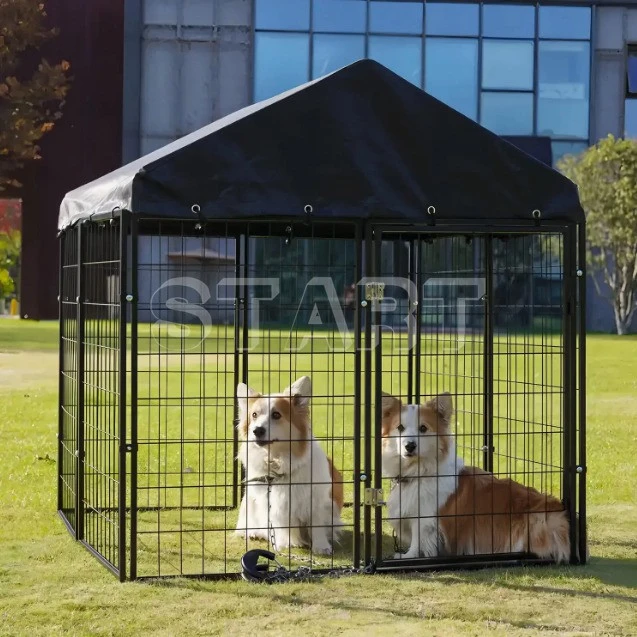
Another thing to consider: some dogs just hate being enclosed. Some breeds, like retrievers or hounds, are way more social and hate being separated from the action. If your dog is that type, don’t force a crate on them. It’ll only make them anxious. For those dogs, a dog cage with wheels might be a better fit? Wait, no—wait, outdoor dog kennels are great for pups who prefer being outside. They’re spacious, have room to stretch, and if they have a shaded spot, it’s a perfect little hangout for a dog that doesn’t want to be cooped up inside all day. I’ve seen customers use outdoor kennels for dogs who can’t handle long crate times, and it works like a charm. They can go in and out as they please, get fresh air, and still have their own space.
Let’s talk about the details that matter. A cheap, flimsy cage that rusts or falls apart after a month? That’s bad. A sturdy, well-ventilated one? That’s good. Make sure it’s easy to clean—accidents happen, so a removable tray is non-negotiable. And never use wire that’s sharp, because pups can scratch their noses or paws on it.
Wait, what about when you’re traveling? A lot of people ask about portable options, and the portable pet cage I linked earlier is a fan favorite. It’s made with durable fabric that’s soft but tough, so it doesn’t jostle around during trips. But for larger breeds, maybe a heavy-duty option is better? Sometimes, people mix up crates and kennels, but the line is simple: crates are for indoor training, travel, and short stays; kennels are for outdoor, long stays, or pups who need more space.
I also want to address the “crate anxiety” thing. Some dogs get stressed in crates, and that’s usually because the owner made it a negative space. If every time you put them in, they hear you yelling or leave and don’t come back for hours, yeah, they’ll hate it. But if you start slow—put their favorite toy in, give them treats, let them get used to it being a cozy spot—they’ll warm up to it. I’ve seen dogs that refused crates at first start sleeping in theirs after a week of positive reinforcement. That’s the power of making the space theirs, not a punishment.
Now, as someone who sells these cages, I’m not here to push every product on you. But I do want to be clear: the right cage, used the right way, can be a game-changer for both you and your dog. It doesn’t matter if it’s a portable dog crate for trips, a dog cage with wheels so you can move it from the living room to the bedroom without lifting, or an outdoor dog kennel for your backyard—each has its time and place.
But the big takeaway here is: a dog cage isn’t inherently good or bad. It’s a tool. A hammer can build a house or break a window, right? Same with a cage. Use it to give your dog a safe, consistent space when you need to, and balance it with all the love and activity they need. If you’re unsure which size or type is right for your pup, feel free to reach out for a chat. I’m here to help you pick the perfect one that fits your dog’s personality, your space, and your lifestyle. Don’t guess—let’s make sure your pup’s space is a happy one, not a stressful one.

And that’s the honest truth from someone who’s in the dog cage business, not just selling them, but seeing how they work (or don’t) for real dogs every day.
References
- The Humane Society of the United States. (n.d.). Crate Training Guidelines for Dogs. Retrieved from humanesociety.org
- American Veterinary Society of Animal Behavior. (2017. Position Statement on Crate Use in Dogs. Retrieved from avsab.org
- PetMD. (2022. Is Crate Training Good for Dogs? Pros, Cons, and Tips. Retrieved from petmd.com
- ASPCA. (n.d. Crate Training. Retrieved from aspca.org
- Journal of Veterinary Behavior. (2019. Effects of Crate Size and Routine on Canine Stress Levels in Captive Environments. Volume 31, Pages 45-52.