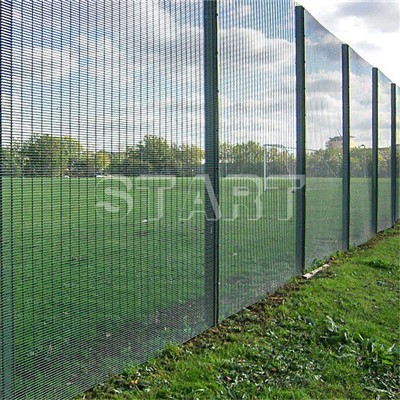


When I first started working as a 358 anti-climb fence supplier, one question popped up more often than any other: “Is this fence actually allowed in residential areas?” It’s a fair question—most homeowners want security without making their neighborhood feel like a prison. Over the past five years, I’ve installed hundreds of these fences across suburban streets, and let me tell you, the answer isn’t a simple yes or no. It depends on your local rules, your neighbors’ needs, and what you actually want to protect.
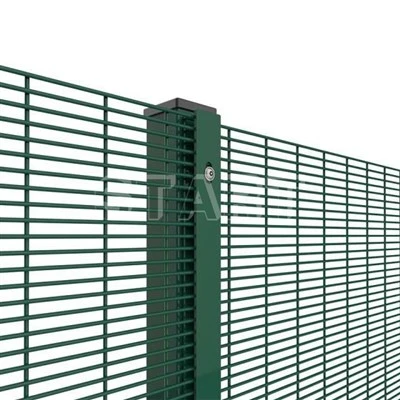
Let’s start with what a 358 fence is, because not everyone knows the details. Unlike regular chain-link or wooden privacy fences, 358 anti-climb mesh is made with a specific pattern: 3-inch openings vertically and 0.5-inch gaps horizontally. That tiny horizontal gap is what makes climbing almost impossible—you can’t get your fingers or feet to grip, and even a ladder can’t find purchase. The mesh is usually galvanized steel, which means it’s resistant to rust and can stand up to harsh weather. We also offer powder-coated finishes in black, white, and beige to match your home’s exterior, so it doesn’t look out of place. If you want to see the base material, check out our Galvanized 358 Anti-climb Mesh or our Powder-coated 358 Fence for different style options.
Now, back to residential use. The first thing you need to do is check your local homeowner association (HOA) rules and city building codes. I’ve had clients in two similar suburbs—one in Ohio and another in Pennsylvania—get totally different answers. The Ohio suburb allowed 358 fences as long as they stayed below 6 feet tall, while the Pennsylvania neighborhood banned “industrial-style fencing” entirely, even if it matched the home. That’s why I always tell new clients: call your city’s building department first. They’ll tell you the height limits, materials allowed, and even setback rules for placing a fence on your property line.
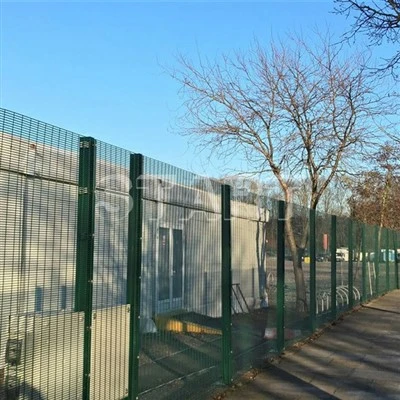
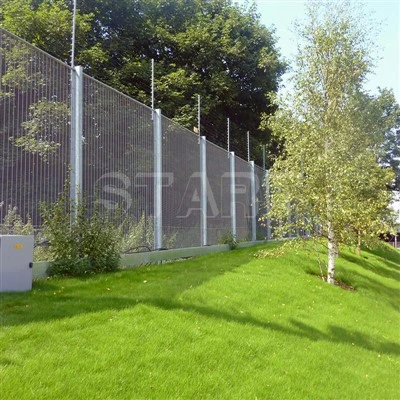
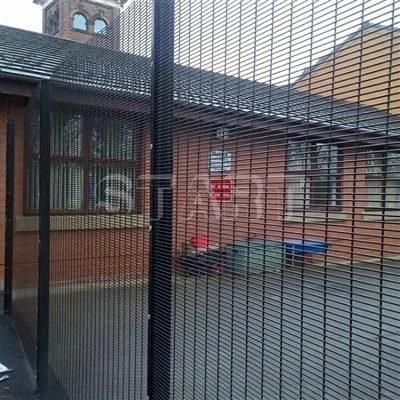
Safety is a big factor here, and 358 fences can actually be a plus for residential areas. Most residential fences are 4 or 5 feet tall, which is easy for a determined climber to get over—especially if you have a tree branch or a garden tool leaning against it. Our 358 fences can go up to 8 feet, but most homeowners stick to 6 feet because it’s enough to keep kids and pets safe, without feeling too imposing. I installed one in a neighborhood with a lot of young families last year—their backyard had a pool, and the local code required a 6-foot fence. The 358 mesh meant a toddler couldn’t climb over, and it also kept stray dogs from wandering in. The neighbors didn’t complain because the powder-coated color matched their gray vinyl fences, so it blended right in.
But anti-climb fences aren’t for everyone. I worked with a retired couple in a historic district last spring who wanted a 358 fence, but the historic board said it “didn’t fit the 1920s charm” of the street. They had to go with a wrought iron fence that was shorter, even though it was less secure. Another client in a high-crime neighborhood loved their 358 fence—they’d had two break-ins in a year before installing it, and they haven’t had any issues since. Their neighbors were impressed, and three of them ended up ordering the same style. That’s the thing: when your neighborhood has a problem with trespassing, or you have something valuable to protect (a pool, tools, a home business), 358 makes sense. But if you live in a quiet, low-crime area with small yards, it might feel too heavy.
Another point to consider: privacy. Some homeowners think 358 fences are see-through, which is a downside. But if you get a tighter powder coating or add a privacy slat, you can keep your backyard private while still having the anti-climb protection. I usually recommend that for clients who want both. The 358 mesh itself is semi-transparent, so you can see your kids playing in the backyard without having to worry about someone else climbing in. We also offer 358 Anti-Climb Security Fencing that’s designed to be durable, so even if you add slats, it doesn’t lose its strength.
Wait, but what about the environment? I know some people worry about steel fences being bad for the planet. Here’s the good news: our 358 fences are made from 100% recyclable steel, and the galvanized coating means they last 20 to 30 years—way longer than wooden fences, which need to be replaced every 5 to 10. That means less waste over time. We also use powder coating, which has lower VOCs than traditional paint, so it’s safer for your family and the environment. If you’re concerned about sustainability, our Powder-coated 358 Fence is a great option because it’s both durable and eco-friendly.
I’ve also noticed a trend: homeowners who run home businesses, like freelance photography or workshop spaces, love 358 fences. They need to keep equipment safe, and they don’t want people wandering onto their property. One client has a small woodworking shop in his backyard, and he installed an 8-foot 358 fence. It keeps curious neighborhood kids from touching his tools, and he doesn’t have to worry about someone stealing his lumber. For residential areas with home businesses, it’s a practical solution that balances security with being neighbor-friendly.
But let’s talk about the exceptions. Some residential areas have noise ordinances, and while 358 fences don’t block much noise, they are solid enough that they can help reduce street noise a little. I had a client who lived on a busy road, and his neighbor installed a 358 fence. He said it cut down on the traffic noise by about 10%, which was a nice bonus. But if your main concern is noise, a wooden privacy fence is still better.
So, putting this all together: 358 anti-climb fences are allowed in many residential areas, but it’s not a one-size-fits-all rule. The key steps are: check your HOA and local code, pick a height and finish that fits your neighborhood, and make sure it solves a problem you’re actually having (like trespassing, pool safety, or theft). I’ve installed these fences in everything from small suburban yards to large estates, and the ones that work best are the ones that the homeowner actually needs, not just wants.
If you’re thinking about a 358 fence for your home, don’t hesitate to reach out. We have options for every budget—from our standard Galvanized 358 Anti-climb Mesh for basic security to our Airport 358 Security Fence for extra-strong needs, and everything in between. We also offer custom sizes, so you can get a fence that fits your property exactly. Whether you’re in a quiet cul-de-sac or a busy urban residential street, we can help you find the right 358 fence that meets your local rules and your needs.


References:
- International Code Council. (2021). Residential Fence and Wall Requirements.
- National Association of Home Builders. (2022). Security Solutions for Residential Properties.
- American Galvanizers Association. (2023). Longevity of Galvanized Steel Fences.
- Powder Coating Manufacturers Association. (2022). Environmental Benefits of Powder-Coated Finishes.